Maintaining a sturdy, weather-tight roofing system is one of the most critical responsibilities of residential property ownership. The overhead structure serves as the primary barrier protecting your household, interior living spaces, structural framing, and personal belongings from rain, wind, ice, hail, and intense solar heat. Over time, continuous exposure to harsh outdoor elements naturally degrades roofing materials, leading to missing shingles, localized leaks, structural sagging, or flashing separation. When visible signs of wear emerge, property owners face a pivotal decision: scheduling localized repairs or investing in a total system tear-off and replacement. Making an informed choice requires assessing the structural age of the materials, the overall extent of damage, underlying deck conditions, and long-term financial goals for the property.
Deferring necessary overhead maintenance or choosing a quick surface patch for widespread structural failure can lead to severe structural rot, interior drywall water damage, hazardous mold proliferation, and compromised attic insulation. Conversely, replacing an overhead structure prematurely can result in unnecessary capital expenditure when targeted repairs would safely extend the operational lifespan of the system. The scale of residential installation across the nation reflects how frequently property owners navigate these important infrastructure choices; according to RubyHome, about five million roofs are installed each year. Partnering with a licensed, experienced professional ensures a thorough inspection of hidden structural components, helping you select the most safe, efficient, and cost-effective restoration strategy for your home.
Assessing Material Lifespan and Overall Structural Age
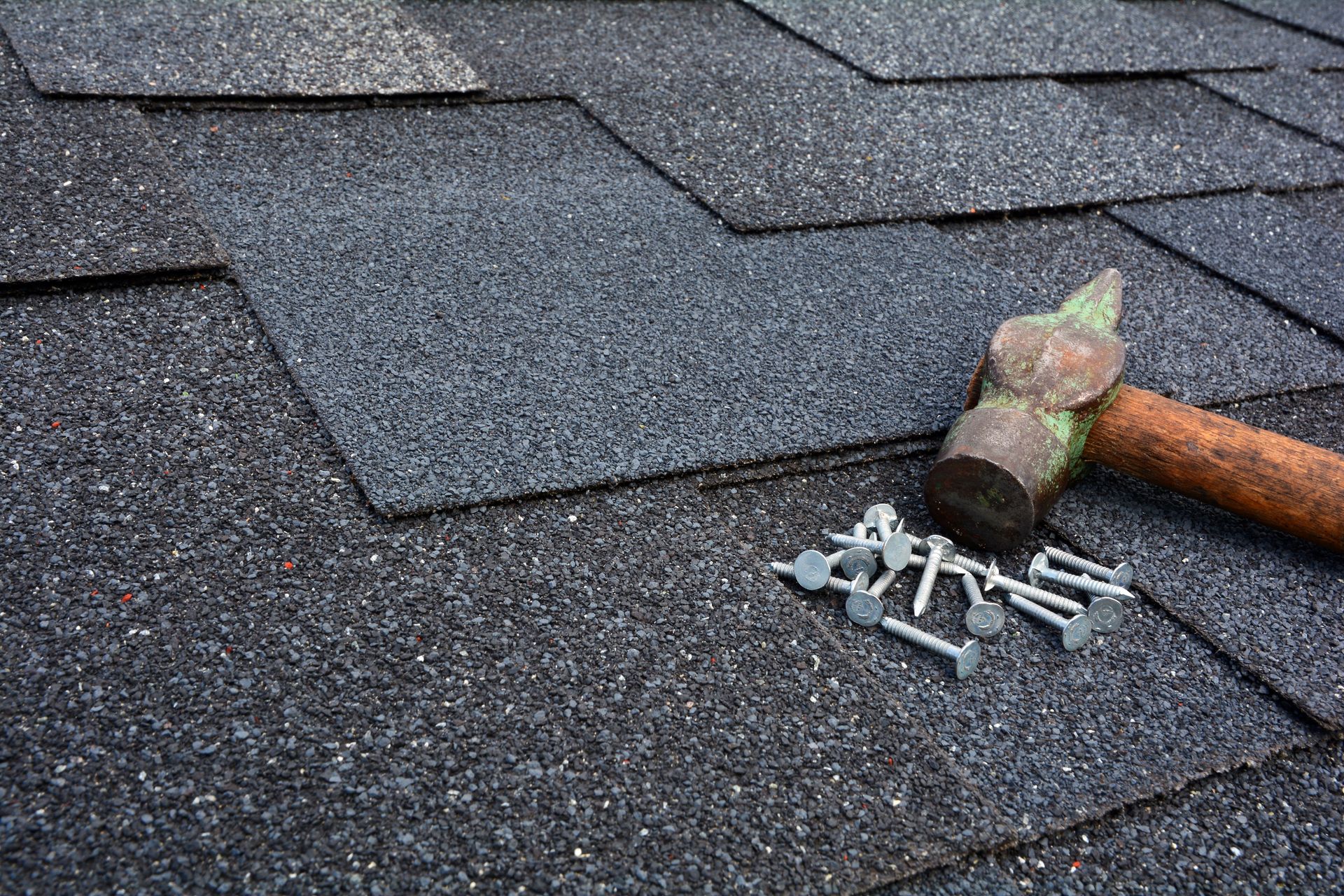
Evaluating the physical age of your overhead covering serves as the foundational step when deciding between targeted repairs and complete replacement. Standard asphalt shingle systems possess a finite service life, typically degrading under continuous ultraviolet radiation, thermal expansion, and severe wind exposure. As shingles reach the end of their operational lifecycle, they lose protective mineral granules, become brittle, and lose their adhesive sealing strips, making them increasingly vulnerable to wind uplift and water infiltration.
Performing localized repairs on an aging, brittle system often proves counterproductive, as fixing one area can disturb fragile adjacent shingles and cause new leaks to form. When an overhead structure nears or exceeds its expected operational lifespan, widespread material fatigue makes spot repairs short-lived. Consulting a reputable roofing company allows you to assess whether your shingles still retain the flexibility and granule adhesion required to support lasting localized repairs or if a total replacement is necessary to secure your property.
Identifying Severe Widespread Damage Versus Localized Hazards
Distinguishing between localized surface defects and systemic structural failures helps narrow down the most appropriate restoration path. Localized damage—such as a few missing shingles blown off during a single windstorm, a cracked pipe boot flange, or minor flashing separation around a chimney—can usually be resolved effectively through targeted repairs without compromising the integrity of the overall system. These isolated issues typically stem from localized impact or minor hardware fatigue rather than broad material failure.
Conversely, widespread physical deterioration demands a comprehensive installation approach. Signs of systemic failure include extensive granule loss accumulating in gutter channels, curling or cupping shingle edges across multiple slopes, widespread moss or lichen growth breaking down shingle layers, and soft, spongy decking underfoot. Attempting piecemeal fixes on a broadly failing system leads to continuous maintenance expenses without resolving the underlying vulnerability. Hiring a professional roofing company to conduct a thorough physical survey ensures that extensive, hidden moisture damage is identified and addressed correctly.
Examining Attic Spaces and Interior Water Damage
Investigating interior living areas and attic spaces frequently exposes severe structural vulnerabilities that remain invisible from the ground. Water marks on upper-story ceilings, peeling paint along interior walls, damp attic insulation, and dark water stains running down roof rafters indicate active leaks that threaten your home’s structural integrity. Tracing the origin of interior leaks is notoriously difficult, as water often enters through a small exterior opening, travels along sloped rafters, and drips down far from the initial entry point.
Persistent interior moisture accumulation encourages toxic mold growth, rots wooden ceiling joists, and ruins insulation efficiency, driving up monthly climate-control energy costs. While a single, easily traceable leak caused by a loose vent collar can be repaired quickly, multiple active leak points across different rooms point to widespread membrane breakdown. Having a certified roofing company inspect your attic space ensures that internal structural framing remains sound and that leaks are permanently sealed before structural decay compromises your living quarters.
Evaluating Roof Decking Integrity and Structural Sagging
Inspecting the underlying wooden decking—the plywood or OSB sheeting anchored to your home’s trusses—is vital for determining whether a full tear-off is required. Persistent water leaks rot wooden decking, causing it to lose its structural strength and fastener-holding capability. A compromised deck cannot securely anchor new shingles, creating a dangerous hazard during severe windstorms and winter snow loads.
A noticeably sagging ridge line or visible dips across roof slopes signal severe structural distress requiring immediate professional intervention. Installing new shingles directly over soft, decayed decking fails to resolve underlying safety risks and violates municipal building codes. Working with a master roofing company guarantees that all rotted decking panels are removed, underlying trusses are structurally reinforced, and a fresh, solid substrate is installed before laying down high-performance protective underlayment and new shingles.
Calculating Long-Term Financial Value and Return on Investment
Analyzing the short-term repair expenses against long-term replacement capital helps clarify the smartest financial strategy for your property. While localized repairs carry a lower immediate price tag, repeatedly fixing an old, failing structure creates a continuous drain on home maintenance budgets. Accumulating service bills for frequent emergency repairs can quickly approach a significant portion of the cost of a brand-new, fully warrantied system.
Investing in a complete replacement provides immediate financial and functional benefits, including improved household energy efficiency, enhanced exterior curb appeal, boosted property market value, and robust manufacturer warranty coverage. Modern, high-performance materials reflect solar heat more effectively, reducing summer cooling costs significantly. Furthermore, prospective homebuyers view a new, fully warrantied overhead system as a major selling point, making complete replacement a wise long-term investment. Discussing financing options and material grades with a trusted roofing company empowers you to select a solution that matches your immediate financial budget while maximizing long-term equity.
At Apex Exteriors, we are deeply committed to protecting your home, preserving your family's safety, and delivering exceptional exterior restoration services through master craftsmanship, high-grade materials, and dedicated trade expertise. Our team of experienced project managers, master installers, and roof inspection specialists brings deep industry knowledge, state-of-the-art diagnostic tools, and meticulous attention to detail to every residential project we execute across our community. We take immense pride in evaluating your unique property needs, diagnosing subtle structural vulnerabilities, and delivering customized repair or full replacement solutions that withstand severe windstorms, heavy rainfall, and intense sunlight. Furthermore, our specialists prioritize clear, honest communication throughout every phase of service, guiding you from initial inspection through final cleanup and warranty registration. We carefully select heavy-duty, code-compliant materials, high-performance synthetic underlayments, and advanced ventilation systems that prevent moisture buildup, resist algae staining, and optimize energy efficiency. By tailoring every project plan to match your operational needs and budget parameters, our crew ensures a seamless, stress-free experience that delivers lasting structural quality and complete peace of mind. Contact us today to schedule your comprehensive inspection and discover how our dedicated team can elevate your property's protection.